
Since 2014, Split/Lip Press has been honored to publish innovative and culturally relevant books. We’re dedicated to publishing boundary-breaking fiction, nonfiction, and hybrid books, lifting the transition boards that prevent fluidity and smashing those we cannot pry up.
New and Upcoming Releases
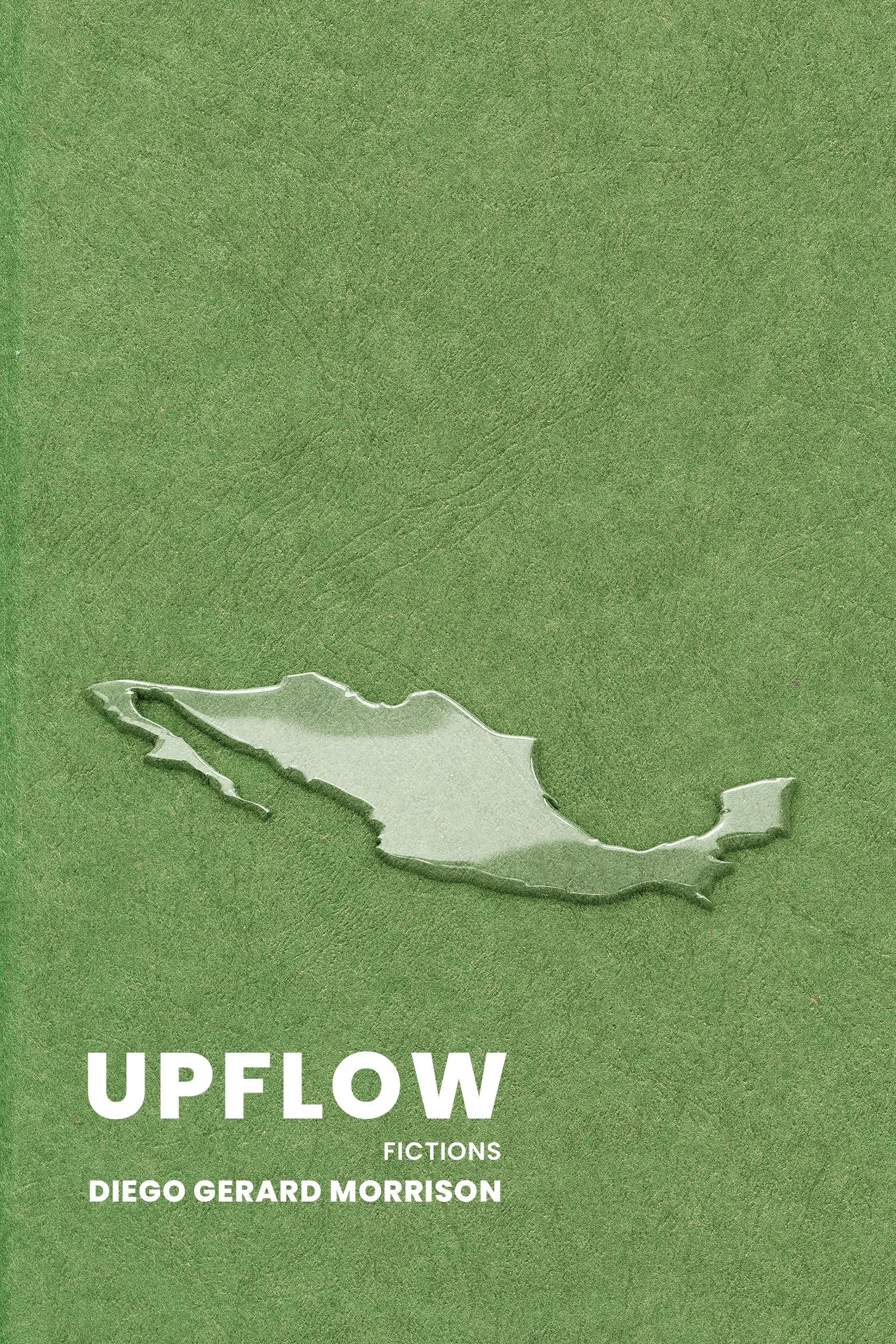
Mexico City’s water system is the costliest and most absurd on the planet. Dams in neighboring states hydro-elevate water past drought-stricken communities before the water arrives, polluted and chemically treated, into the drained lakebed of Mexico City…where the water is used before black, residual wastewater finally filters back to the countryside to grow food for the city.
In Diego Gerard Morrison’s darkly funny, picaresque, and hydro-ethnological stories, Upflow follows the path of water in and out of Mexico City. Scarcity, pollution, corruption and even amplified earthquakes rise through the ghostly lakebed of Mexico City’s past to manifest in the present. Through surrealist and historical romps spanning the Spanish conquest, the subsequent desiccation of the lake, as well as modern stories warning of the near future, Upflow’s prescient fictions embody the fluid nature of water and how it often eludes those who need it most.
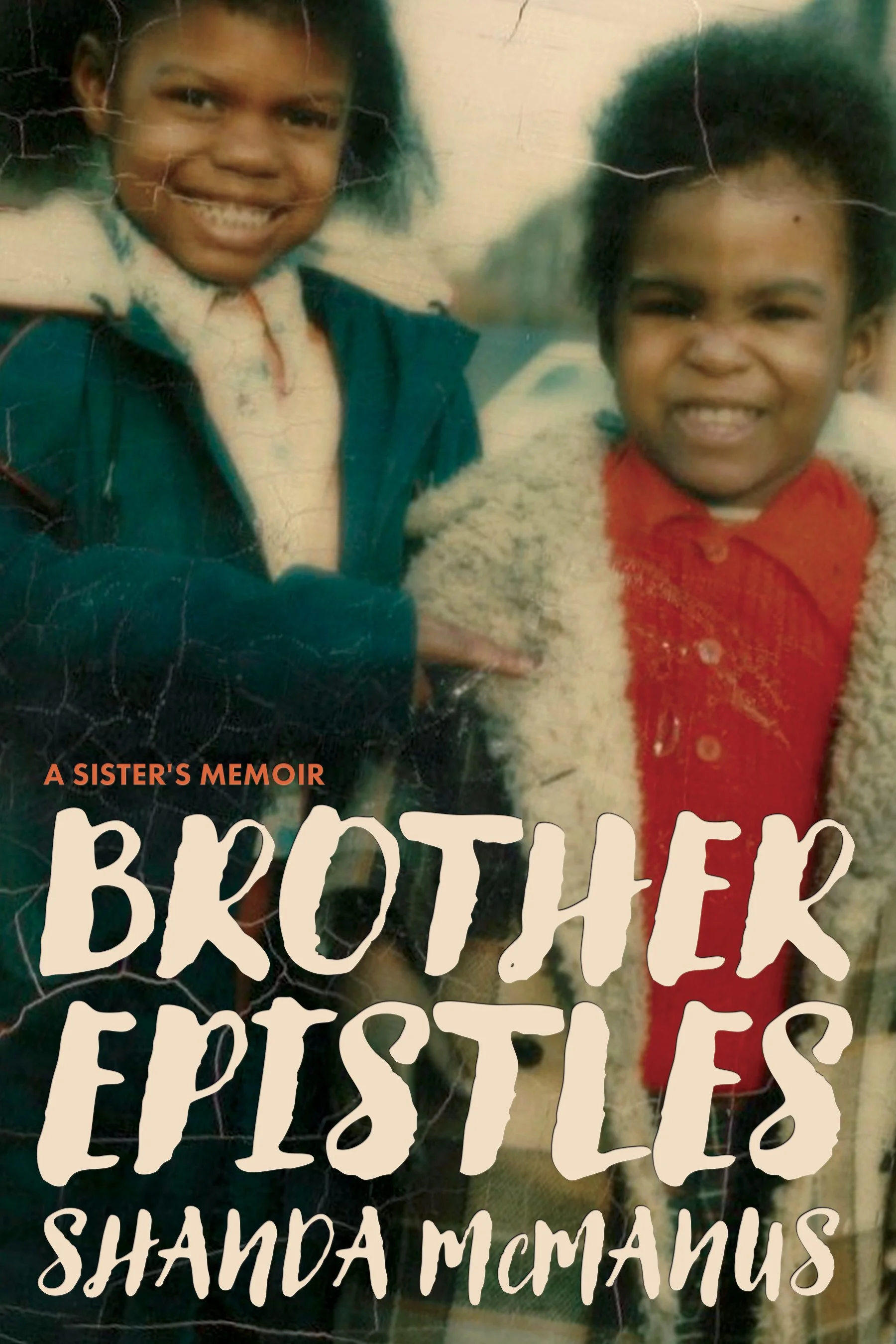
On a Philadelphia street in 1992, Shanda McManus’s brother Monir was killed in a drive-by shooting. Three decades later, still haunted by his murder, McManus traces her brother’s life through their upbringing in North Philadelphia, Monir’s teen fatherhood and stint in the U.S. Army to support his young sons, and finally, his participation in the drug trade. In Brother Epistles, a series of intimate letters, McManus writes as both sister and physician, blending social commentary, memory, and collective history to lament the fragility of Monir’s life while demanding an American reckoning for the socioeconomic structures responsible for so many young Black men dying through homicide. A heartbreaking conversation between a sister and her brother, leavened with humor, family love, and unconquerable Black joy, Brother Epistles is a powerful meditation on Black identity, the criminalization of Black boys, and the devastating ripple effects of a tragic loss on the loved ones left behind.
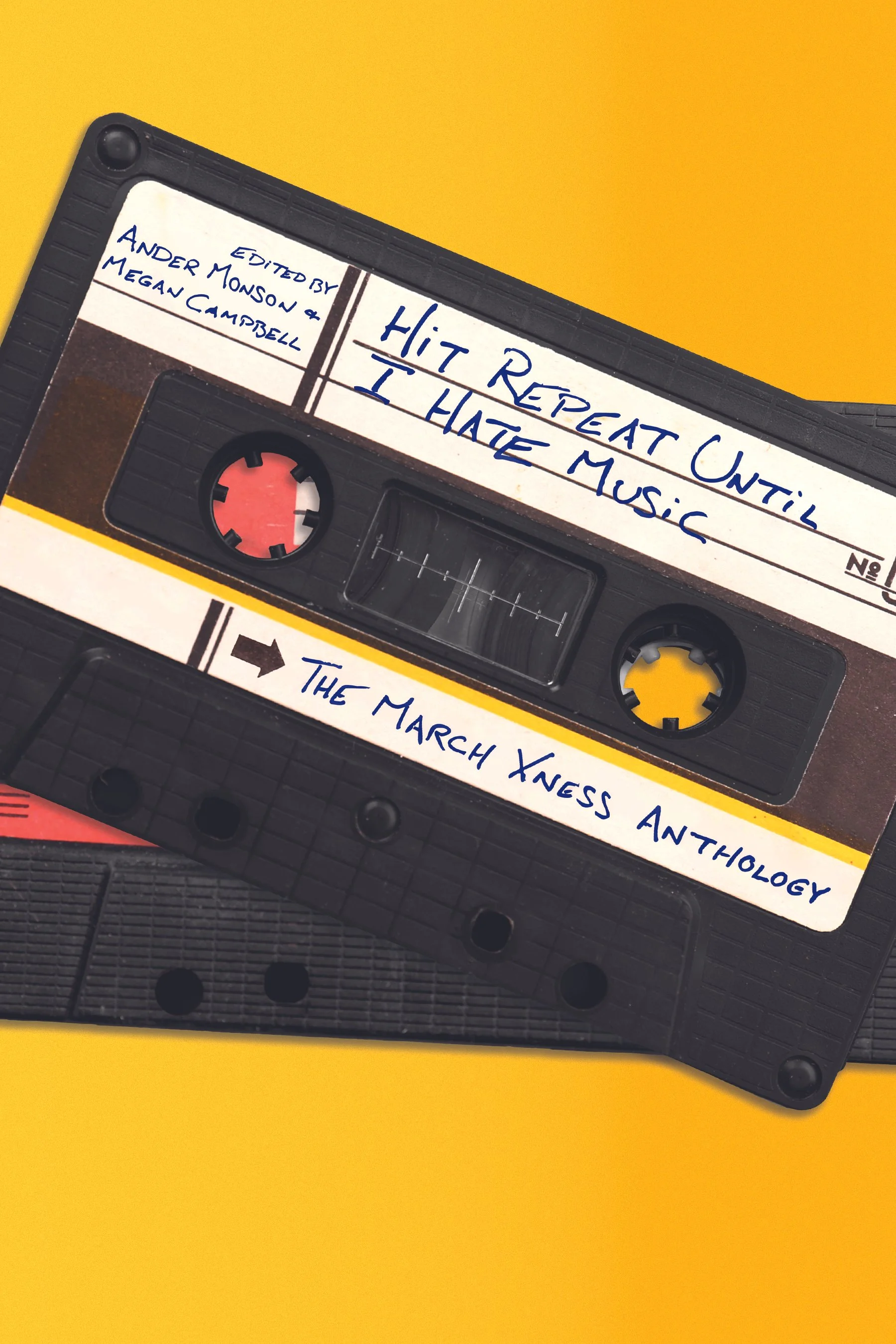
It started as a joke ten years ago: March Sadness, a tournament where the 64 saddest songs faced off bracket by bracket, supported by essays illustrating their merit and voted on by the public, until a winner emerged.
Every March now brings a new theme, courtesy of the Official Selection Committee, Ander Monson and Megan Campbell. Grunge songs fight for victory over the course of March Plaidness; one-hit wonders take center stage under the March Fadness spotlight. Music fans and writers enter the lottery, submit tournament essays and extracurricular pieces, and battle it out online to get enough votes for their song to advance—and hopefully win. For the first time in print, Hit Repeat Until I Hate Music: The March Xness Anthology spans Xness history with essays representing nearly a decade of musical fandom.
Spectators gawk, musicians repost, aficionados argue, and readers rejoice with each new essay... but in the March Xness arena, even the trash talk is friendly, and the camaraderie built around music brings fans back each March to hit repeat.
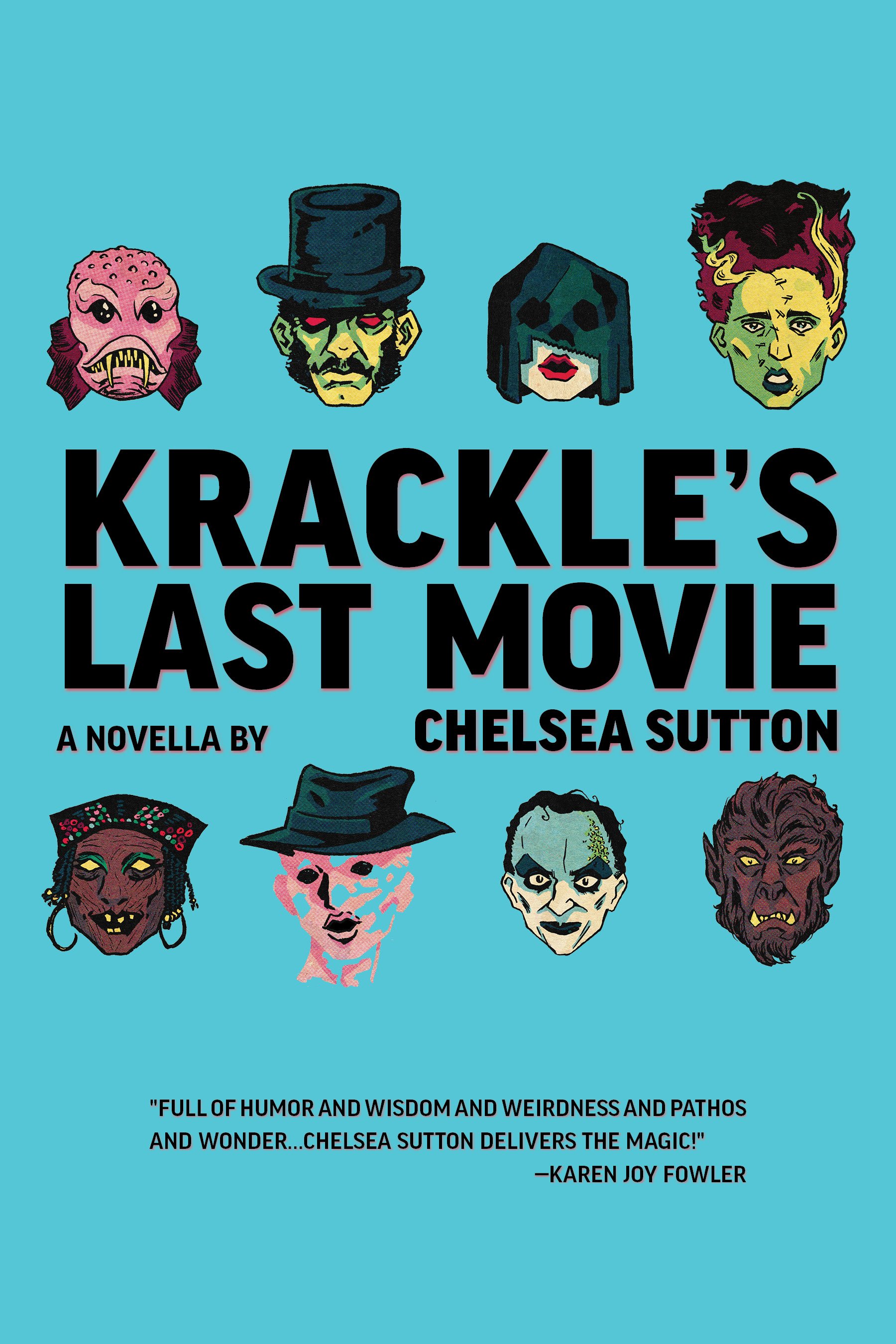
When underground documentarian Minerva Krackle mysteriously disappears after an interview with the “Modern-Day Mummy of San Bernardino County,” her assistant Harper is left with a mess of footage and a tight deadline. During her review of thirty years of interviews Krackle conducted with real-life monsters—werewolves, vampires, invisible dancers, mermaids, sea monsters in the desert—Harper pieces together their links with Krackle’s disappearance and also with the tragic on-stage death of pop-magician The Great Merlan. With the help of Krackle’s former bodyguard Dr. Danger and small-town diner waitress Liz, Harper must decide whether to expose her own hidden history to finish the film, or to let Krackle's legacy disappear right along with her.
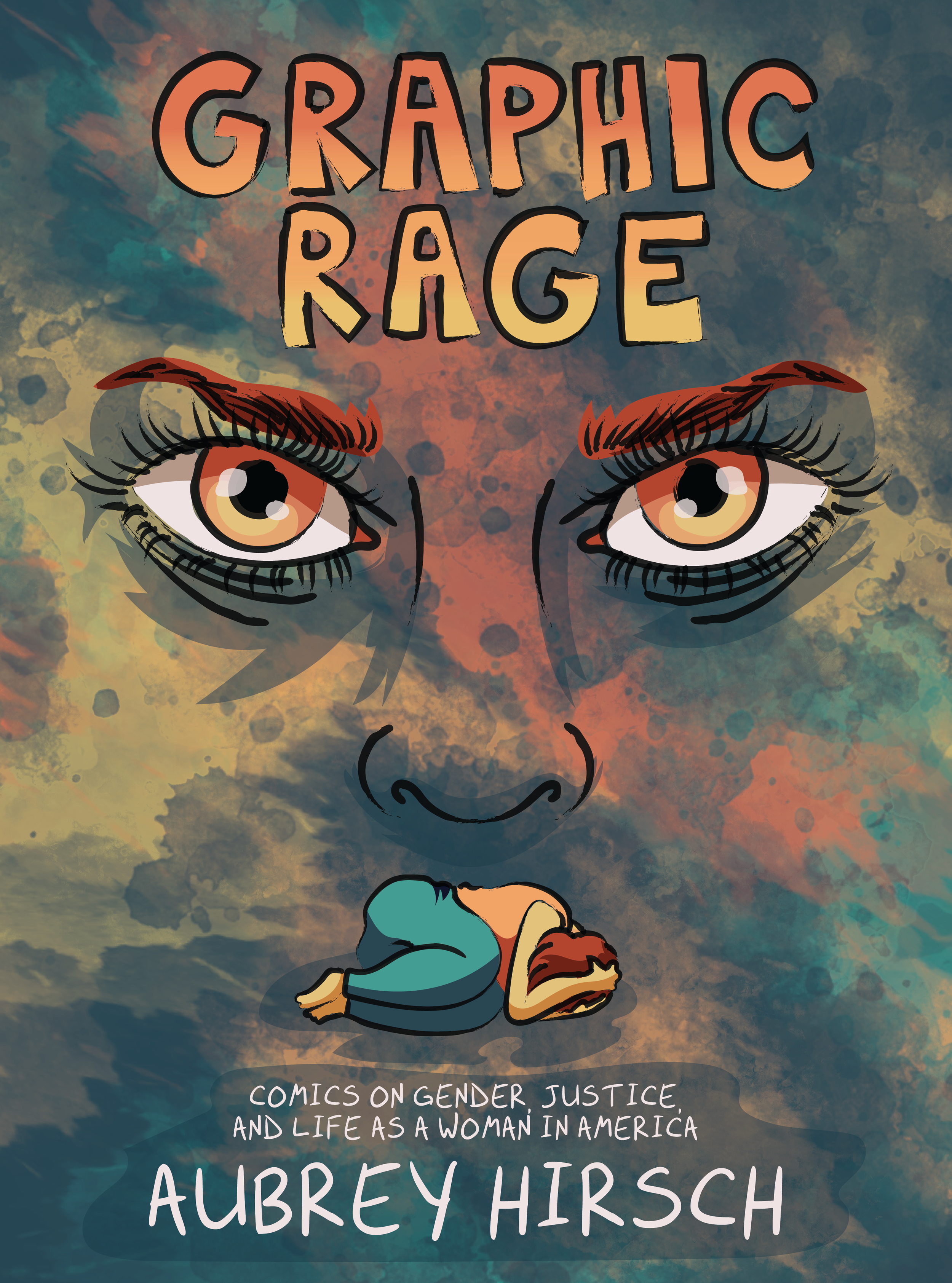
Rage isn’t just an emotion—it’s a shield, a weapon, and a survival tactic for women battling the everyday frustrations of womanhood in America.
Why is our pain dismissed, our autonomy debated, our worth measured by our appeal to the male gaze?
Why do we have to laugh off harassment just to get through the day?
And why do people still think women aren’t funny?
In 25 sharp, unflinching, and darkly funny feminist comics, Aubrey Hirsch’s Graphic Rage exposes the absurdities and injustices that women know all too well, turning rage into razor-sharp wit and pushing back against the world’s worst takes. From the impossible standards of beauty to the very real dangers of living in a legislated body, Hirsch channels frustration into fearless humor and incisive critique. Whether you’re laughing, seething, or both at once, Graphic Rage reminds us that sometimes the only way to stay sane is to get mad.
Action is a love letter to the music, film, people, and places that have shaped Rivka Clifton's transition. A synthesizer’s knobs emulate the modulation of pleasure within a changing body. A text from a childhood friend ghosts the sadness existing within the joy of becoming oneself. The film Barbie triangulates how we experience others and how they experience us. Meditating on both the individual nature of transitioning and how it reverberates through a larger community, these essays pay loving homage to the shifting memorials of all bodies moving through time’s one-way terminal.
Forthcoming on February 16, 2027